Psychoeducation: from insight to action

Psychoeducation is the practice of translating psychological knowledge into a form people can actually use in their working and personal lives.

Done well, it does three things:

  • Gives people language for what they are experiencing
  • Provides practical tools they can use immediately
  • Creates shared understanding, making it easier for colleagues to recognise and support one another

It sits between therapy and training. Unlike therapy, it works at scale and focuses on shared challenges rather than individual cases. Unlike training, it draws on clinical understanding and engages with the emotional realities of work, not only skills and behaviours.

In organisations, psychoeducation builds psychological literacy. Over time, it expands what people can talk about, strengthens their ability to respond to difficulty and creates healthier patterns of communication and support.

How I work with this

I design bespoke psychoeducational material specifically for the organisation commissioning it. Sessions are interactive rather than lecture-based, combining research, psychological insight, vivid examples and practical exercises.

The content is shaped by the realities people are facing at that particular moment, often informed by parallel work with leaders and individuals. For busy environments operating under pressure, I also offer condensed formats that focus on immediate understanding and practical application.
Most sessions can be accompanied by a written Journal. This allows people to revisit the material in their own time and share it with colleagues or family members. Journals provide a more detailed and reflective companion to the live session, while gradually building a library of resources tailored to the organisation's needs.

A Sample of Themes

The list below is illustrative rather than prescriptive. Each programme is shaped to the organisation and its current needs.

Examples include
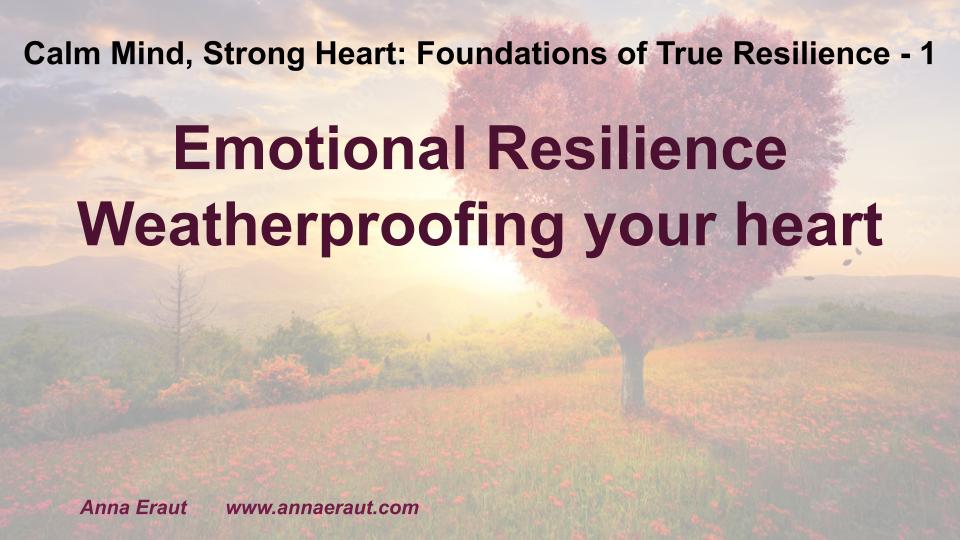
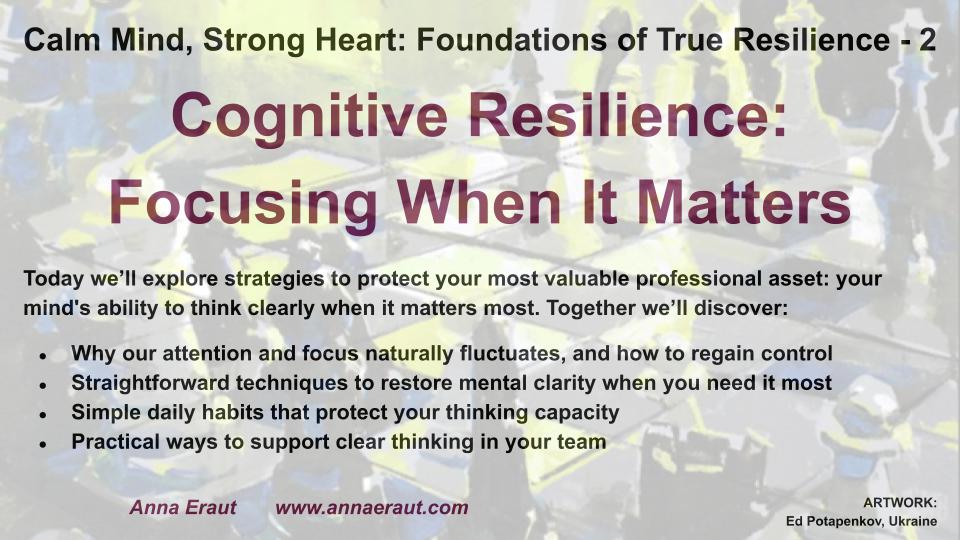
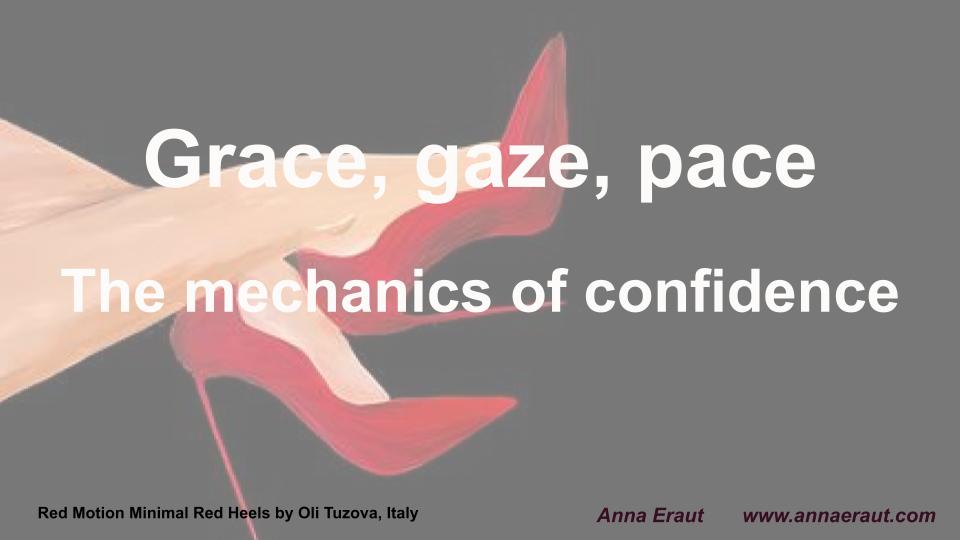
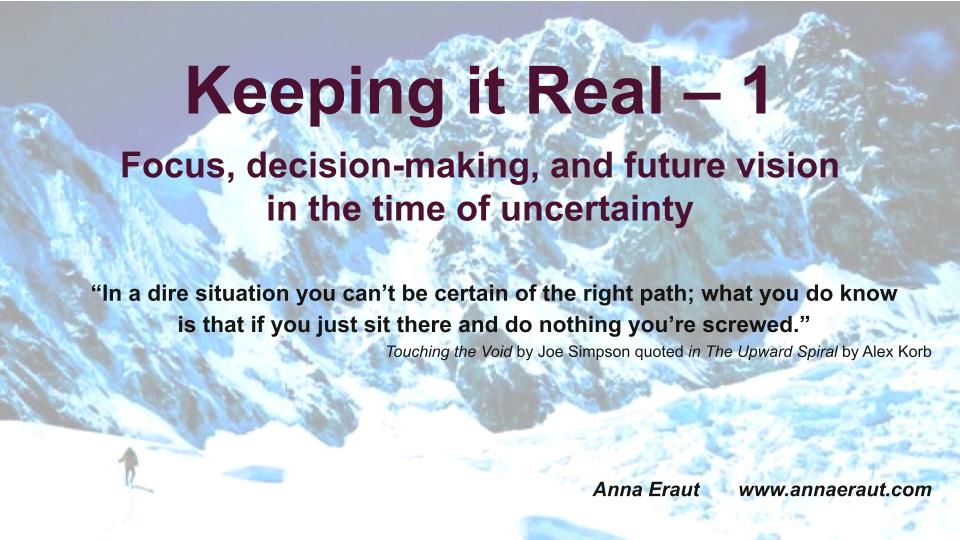
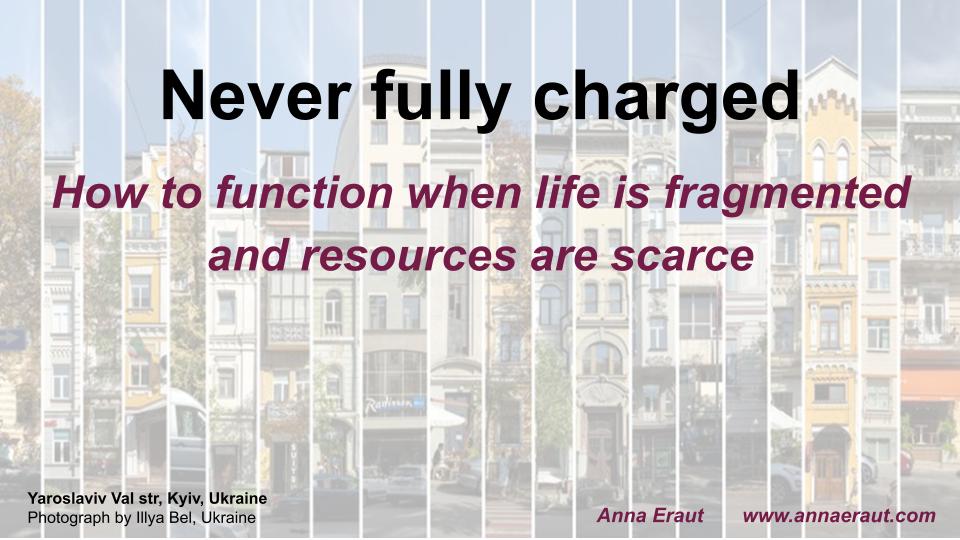
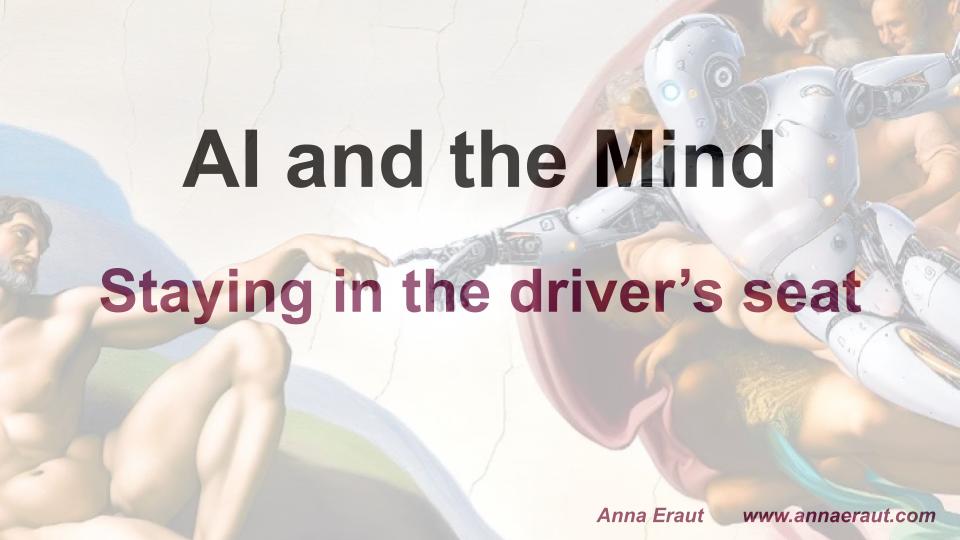
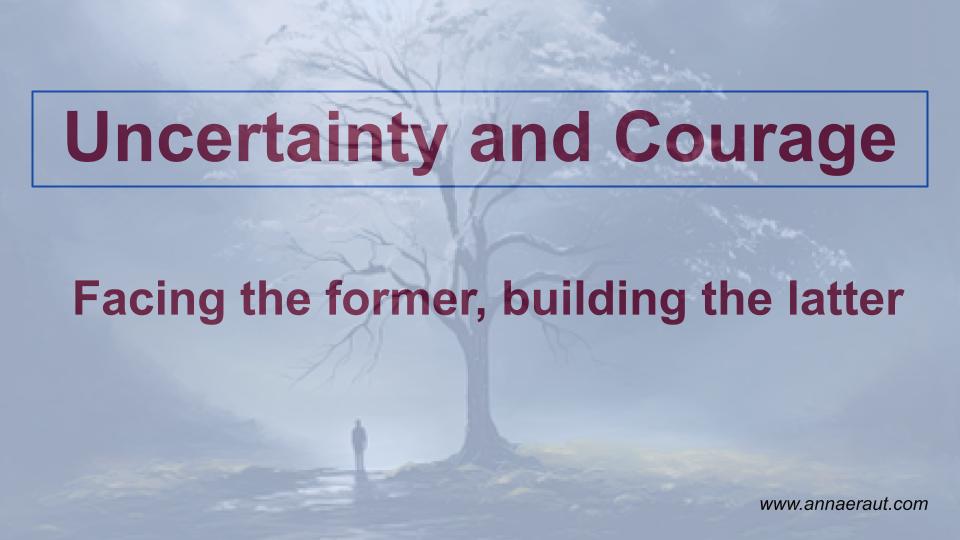
Emotional Resilience Weatherproofing your heartCognitive Resilience: Focusing When ItStop Burnout - Before it Stops YouCommunication that counts – Part 1: Bridging the gap. From Awkward to Effective.Communication that counts – Part 2: Navigating Conflict, Finding AnswersFOMO: Understanding and transforming the Fear of MissingGrace, gaze, pace The mechanics of confidenceKeeping it Real - Part 1: Focus, decision-making, and future vision in the time of uncertaintyKeeping it Real - Part 2: Staying strong - resilience amid the information onslaughtNever fully charged – How to function when life is fragmented and resources are scarceAl and the Mind – Staying in the driver's seatUncertainty and Courage – Facing the former, building the latter
If you would like to see how these themes are developed in practice, the ADAPT Journals provide examples of how a topic is translated into a practical and usable resource.